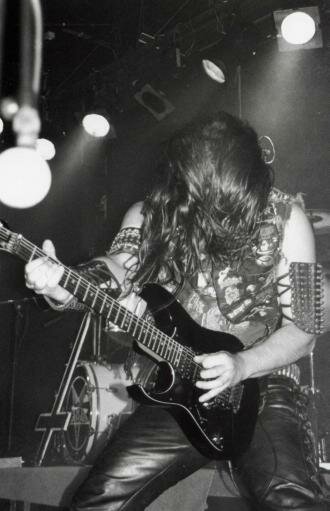
The Stypod has an excellent essay this morning about why indie kids are starting to warm up to that genre of frosty nordic guitar-wankery, heavy metal:
"Why now? Why these particular bands? I suspect on this one the purists are right. A lot of these bands aren’t really “metal” at all. I mean, Isis and Mastodon have big riffs and cookie-monster vocals, but they draw from some pretty un-metal sources in concocting their particular brands of loud rock music.
I like to think of them as the musical equivalent of gateway drugs—the kind that give you a taste of what you’ve been missing out on all this time and make you want to try something new. So you want to get into metal in a few easy steps? Try a band that sounds a lot like one you already like and then move on from there."
 No Comments »
 Music
Music
 Permalink
Hipsters are now trying to legitimize rosé wine, according to the Old Gray Lady:
"...At least a dozen revelers were chugging light pink wine from a bottle. It was Domaines Ott, a French rosé that retails for about $30. Thanks to Mr. MacPherson, who always packs several cases for the weekend, it has become the unofficial drink of the Ditch Plains scene, so common that attendees were referring to it as 'D.O.' and 'the Ott.'
'To me this wine tastes like the South of France and summer, and you should have an endless supply of it,' said Mr. MacPherson."
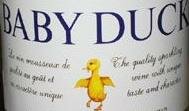
We think it's time to relaunch Baby Duck. Now. And quickly, before the hipster appetite for low-culture hooch fades or turns its attentions elsewhere.
(hat tip)
1 Comment
Food
Permalink
Countdown, pretties! Just one more week and it's the Wolfe Island Music Festival!
The lineup includes Great Lake Swimmers, Holy Fuck, Jon-Rae and the River, the Hidden Cameras, Wintersleep, and The Constantines.
Tickets for Saturday are $25 (proceeds go to charity). But children under twelve are free, which means that the festival has an awesome family flavour (frisbee in the park, anyone?). Your kids will be radder and better-developed for seeing the Constantines, and we promise to refer to Brian Borcherdt's band as "Holy Fork" all weekend long for the benefit of the young'ns.
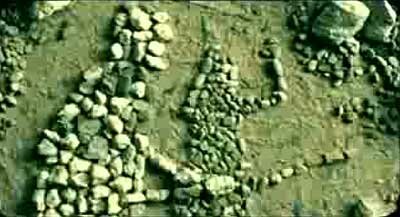
To get y'all in the mood, we point you to former Kingstoner Chumptastic, who's got the new Constantines video in its YouTubetistic glory:
"... picture the White Stripes' 'Fell in Love With a Girl' (but with rocks instead of Lego) combined with a peek through the Polka Dot Door."
3 Comments
Kingston, Music
Permalink

Naked & Angry makes beautiful neckties in small editions, based on a community-driven submission-and-ranking system. They're owned by SkinnyCorp, explaining the Threadless-esque mechanics of the voting process. We're not crazy about the five currently in production, but we've got huge hopes that Lara Cameron's Treehouses (shown above) is turned into a piece of neckwear.
3 Comments
Design, Fashion
Permalink
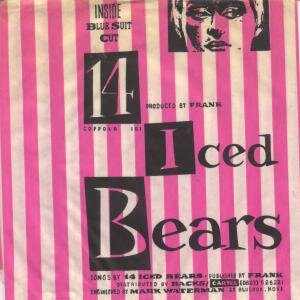
Holy tapdancing Moses, pretties. Have you ever heard 14 Iced Bears? We hadn't either. In fact, we're not precisely sure who to thank for the introduction, as we happened to stumble across them in our admittedly sprawling iTunes library, and have no recollection of how the songs got there.
How we didn't notice them earlier, we've no idea: Inside, for instance, sounds like an Echo and the Bunnymen track, but with less fuzz, more jangle, a pinch of psychedelia and an opening salvo of feedback, guitar and rapidfire drumming that could have been pinched from a Buzzcocks song.
Our good pal Sofi describes them thusly:
"It sounds a little like the Ramones getting their hands on a 1950s doo-wop song, but with that guy from the Wedding Present singing!"
That's high praise, from our perspective.
14 Iced Bears -- Inside
1 Comment
Music
Permalink


 Older Entries
 RSS
RSS